Best Rugs and Pads for Soundproofing a Floor (What Actually Stops Impact Noise)
This article contains affiliate links. If you buy something through one of them, we may earn a commission at no extra cost to you. See our disclosure policy for details.
Whether you have a downstairs neighbor complaining about you or you're absorbing an upstairs stomper, the fix is the same: maximize soft coverage and add a dense pad underneath it. A small accent rug won't move the needle, here's what actually does.
Why floor noise is different
Footsteps and dragged furniture create impact noise, which travels through the building structure itself, not just the air. That's why a rug alone often disappoints: it absorbs some airborne sound but does little for vibration unless it's paired with a dense, spongy pad underneath.
1. Max out your rug coverage
A small area rug in the middle of the room does almost nothing. You want a rug cut to fit nearly wall-to-wall, covering as much of the hard floor as your layout allows. Coverage matters more than rug thickness alone.
2. Use a dense rug pad
Skip cheap plastic-grid pads, they're designed for slip resistance, not sound. The better choice is a thick felt or dense open-cell rubber pad, ideally made from recycled felt. This spongy layer absorbs impact energy before it transfers into the floor structure below.
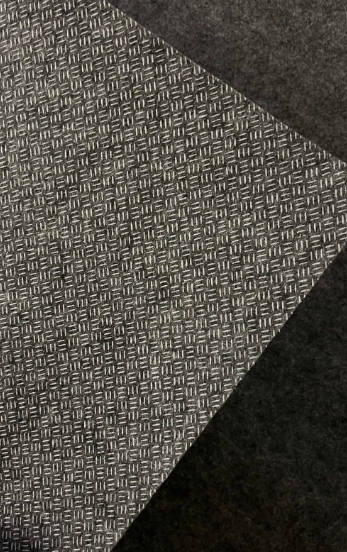
Recommended: dense felt rug pad, cut to size.
3. Isolate your furniture
Swap hollow or lightweight furniture for solid, heavier pieces where you can, since heavy items transmit less vibration when bumped or dragged. For chairs on hard floors, replace plastic caster wheels with rubber "rollerblade style" wheels, or add slip-on rubber or felt caps to chair legs to stop the skipping and scraping that sends sharp noise downstairs.
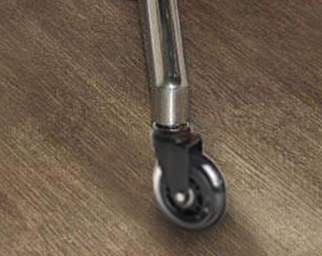
Recommended: rubber caster wheels.
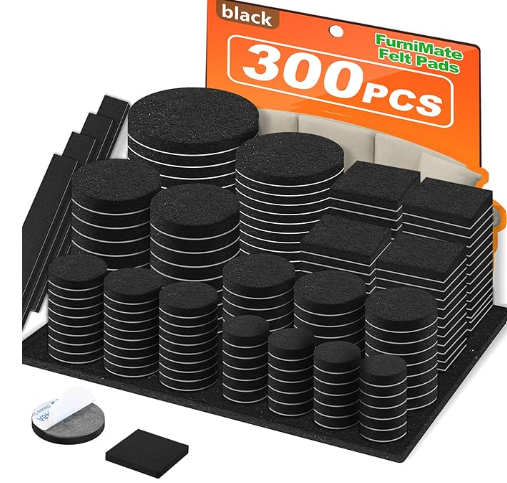
Recommended: felt furniture pads.
What not to waste money on
- Thin decorative rugs without a pad underneath look nice but add almost no acoustic value on their own. The pad is doing most of the work, not the rug.
- "Soundproof" foam floor tiles marketed for home gyms help with impact cushioning for exercise, but they're not a substitute for a proper rug and pad system in a living space.
FAQ
Will a rug actually stop my downstairs neighbor from hearing my footsteps? It will reduce it, especially paired with a dense pad, but it won't eliminate it. Impact noise travels through the building's structure, so a rug and pad combination lowers the transmitted vibration rather than blocking it completely.
What's the difference between a rug pad for grip and one for sound? Grip pads are usually thin plastic grids meant to stop slipping. Acoustic rug pads are thicker, denser felt or rubber designed to absorb impact energy. They can overlap, but the acoustic benefit comes specifically from density and thickness.
Does furniture placement matter as much as flooring? It matters more than people expect. Heavy, well-isolated furniture reduces the sharp, high-energy impact noises (dragging, dropped items) that are often more noticeable to neighbors than footsteps alone.
Is carpet tile a good alternative to a full rug? Carpet tile can help in a rental if a full rug isn't practical, but coverage and pad density still matter more than the format. A small area of carpet tile won't outperform a well-padded, room-sized rug.
The renter's bottom line
Cover as much floor as possible, put a dense felt or rubber pad underneath it, and swap out any furniture that's scraping or clattering on bare floor. None of this requires touching the lease or the building, and it's the highest-leverage fix available if you're the one being asked to quiet down.
If noise is coming from above rather than something you're causing, our guide on dealing with noisy upstairs neighbors covers the conversation and masking side of the problem.
Part of our complete guide to apartment noise.