Acoustic Panels: What Actually Blocks Noise vs. What's a Waste of Money
This article contains affiliate links. If you buy something through one of them, we may earn a commission at no extra cost to you. See our disclosure policy for details.
Cheap foam acoustic panels do not block a neighbor's noise from entering your room. They're designed to stop your own voice from echoing inside an empty space, which is a completely different job. Here's what those panels are actually for, and what to buy instead if the goal is blocking, not echo.
The hype: egg-carton foam panels
The classic pyramid-shaped foam squares sold as "acoustic panels" are cheap, lightweight, and everywhere online. If your goal is stopping a neighbor's TV or bass from getting into your room, buying these is a waste of money, they're built for a different problem entirely.
What those panels are actually for
Lightweight foam panels absorb reflected sound bouncing around inside a room, reducing echo and making your own voice or a recording sound cleaner. That's genuinely useful for a home studio or a video call in a bare room, but it does nothing to stop sound from entering or leaving through the wall itself.
What actually blocks noise
Blocking sound requires mass and density, not just surface texture. Thick, heavy fiberglass or rockwool panels, wrapped in fabric, or dense wood slat panels backed with felt, add real weight and absorb a meaningfully wider range of frequencies than thin foam.
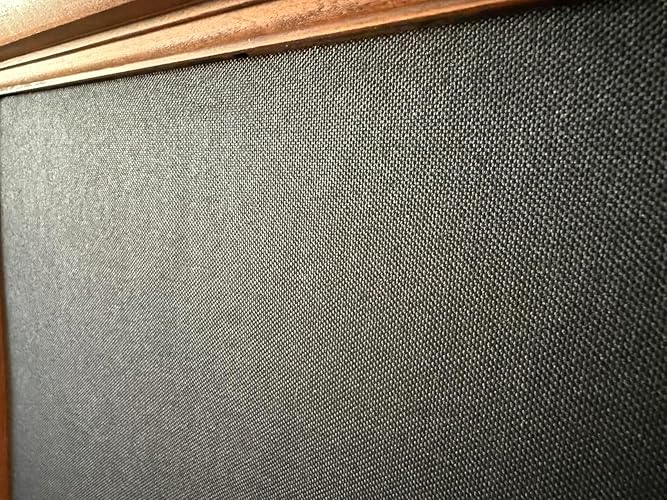
Recommended: fabric-wrapped rockwool acoustic panel.
Renter-friendly ways to use real acoustic panels
You don't need to mount heavy panels directly to a rental wall. Two damage-free options:
- Decorative acoustic art panels, which look like normal wall art but are built with dense absorptive material underneath.
- A freestanding plywood sheet with wood slat panels or felt-backed material mounted to it, leaned against the wall you're trying to treat. You can move it, and take it with you when you leave.
FAQ
Are expensive acoustic panels worth it over cheap foam? For blocking noise from a neighbor, yes, cheap foam simply isn't built for that job regardless of price. For reducing echo in your own room, cheap foam works fine and expensive panels are a diminishing return.
Do acoustic panels replace the need for mass on a wall, like a bookshelf or MLV? No. Panels absorb sound within a room. Blocking sound from entering or leaving still comes down to mass, which is why our bedroom wall guide leads with heavy, dense objects rather than panels.
Can I mount real acoustic panels without damaging a rental wall? Yes, using a freestanding plywood mount or Command-strip-hung decorative acoustic art panels. Both avoid drilling into the wall directly.
Will acoustic panels help with a video call in an echoey room? Yes, this is exactly what foam or fabric-wrapped panels are designed for. See our home office soundproofing guide for how panels fit into a full call-quality setup.
The renter's bottom line
If your problem is a neighbor's noise coming through a wall, skip the foam panels and go straight to mass: a bookshelf, mass-loaded vinyl, or a dense fabric-wrapped panel. Save the cheap foam squares for echo control in a home office or recording space, where they're actually the right tool.
Part of our complete guide to apartment noise.
Related Guides
Tools & Resources
Can I Break My Lease Because of Noisy Neighbors? A Renter's Legal Playbook
Noisy neighbors alone rarely justify breaking a lease penalty-free. Here's the actual legal standard, what you need to document first, and safer alternatives.
Tools & Resources
Does Soundproofing Foam Actually Work in Apartments? (An Honest Answer)
Soundproofing foam absorbs echo, it doesn't block a neighbor's noise. Here's the honest physics, what foam is actually good for, and what to do instead.
Tools & Resources
How to Tell If Noise Is Coming Through the Wall, Floor, or Window
A quick, practical way to figure out whether apartment noise is entering through the wall, floor, or window, so you fix the right thing instead of guessing.