Best Earplugs for Sleeping in a Noisy Apartment: 4 Options Compared
This article contains affiliate links. If you buy something through one of them, we may earn a commission at no extra cost to you. See our disclosure policy for details.
If standard foam earplugs are falling out, causing pressure sores, or just not blocking enough noise, the fix usually isn't a louder white noise machine, it's a different earplug design. Here are the four alternatives worth trying, based on sleeping position and seal type.
Why foam earplugs fail
Standard foam plugs go inside the ear canal, which can cause pressure and discomfort for side sleepers, and they can push dirt and bacteria deeper into the canal with daily use. The alternatives below seal over the ear opening instead of inside it, or use a softer, moldable material, which solves both problems for most people.
1. Silicone putty earplugs
Silicone putty plugs, like Mack's Pillow Soft, mold over the ear opening rather than going inside the canal. They create an airtight seal against high-frequency sound and reduce the infection risk that comes from pushing foam deep into the ear daily.
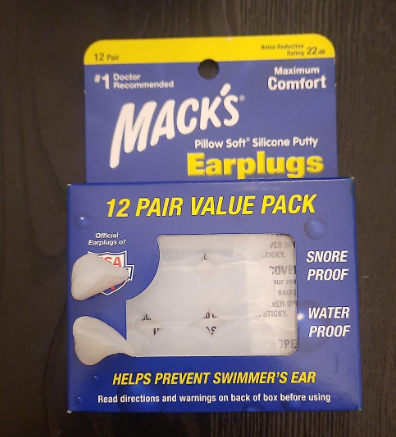
Recommended: silicone putty earplugs.
2. Wax earplugs
Wax plugs, like Quies, are highly rated among side sleepers specifically. They soften with body heat and contour to the exact shape of your ear, giving a comfortable seal even when you're lying directly on that side.
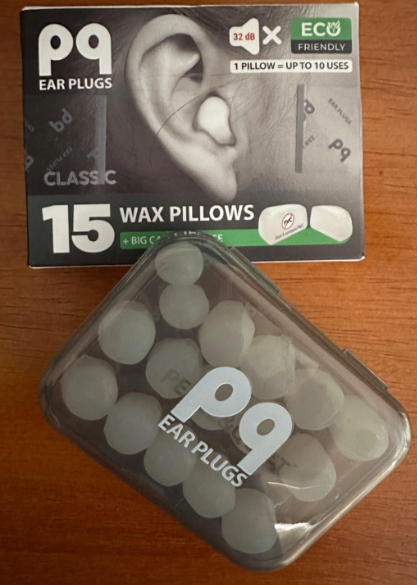
Recommended: natural wax earplugs.
3. Loop Quiet
Loop Quiet is a reusable soft silicone plug that sits close to the ear rather than protruding, which makes it more comfortable for side sleeping than a bulkier foam or putty option, though it typically blocks somewhat less noise than a full airtight seal.
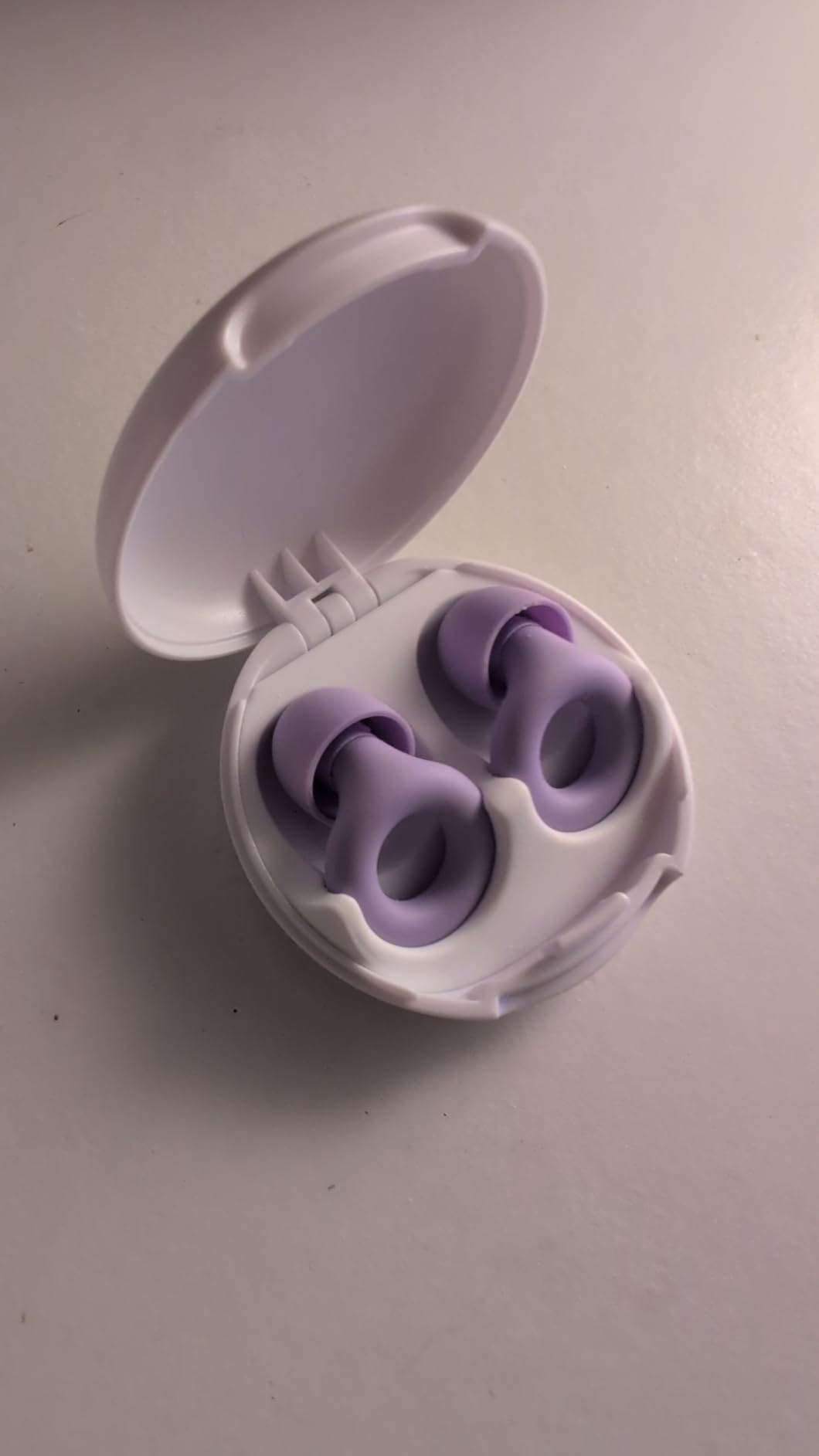
Recommended: Loop Quiet reusable earplugs.
Comparison table
| Option | Seal type | Best for | Reusable |
|---|---|---|---|
| Silicone putty (Mack's) | Over-ear, airtight | Maximum blocking, side or back sleepers | Limited reuse per pair |
| Wax (Quies) | Over-ear, molds to shape | Side sleepers wanting comfort and a strong seal | Limited reuse per pair |
| Loop Quiet | In-ear, low profile | Side sleepers who prioritize comfort over max blocking | Yes |
FAQ
Are wax or putty earplugs safe to use every night? Both are generally considered safe for regular use since they seal over the ear rather than pushing material into the canal, which is the main irritation and infection risk with standard foam plugs. If you experience ongoing discomfort or signs of an ear problem, the CDC recommends seeking evaluation from a licensed audiologist or hearing professional rather than continuing to self-treat.
Which earplug blocks the most noise overall? An airtight over-ear seal, like silicone putty or wax, typically blocks more high-frequency sound than a low-profile in-ear option like Loop Quiet, because the seal covers a larger area of the ear opening.
What's best for a side sleeper specifically? Wax earplugs or Loop Quiet tend to be the most comfortable for side sleeping, since neither protrudes far enough to press painfully into a pillow.
Can earplugs alone solve a noisy apartment problem? They handle the sound that still gets to your ears after other fixes. Pairing earplugs with a masking sound, like the brown noise approach in our brown vs. white vs. pink noise guide, covers more noise types than earplugs alone.
The renter's bottom line
If foam earplugs hurt or fall out, don't give up on earplugs entirely, switch the design. Side sleepers should start with wax or Loop Quiet, and anyone wanting the strongest possible seal should try silicone putty first.
Part of our complete guide to apartment noise.
Related Guides
Tools & Resources
Can I Break My Lease Because of Noisy Neighbors? A Renter's Legal Playbook
Noisy neighbors alone rarely justify breaking a lease penalty-free. Here's the actual legal standard, what you need to document first, and safer alternatives.
Tools & Resources
Does Soundproofing Foam Actually Work in Apartments? (An Honest Answer)
Soundproofing foam absorbs echo, it doesn't block a neighbor's noise. Here's the honest physics, what foam is actually good for, and what to do instead.
Tools & Resources
How to Tell If Noise Is Coming Through the Wall, Floor, or Window
A quick, practical way to figure out whether apartment noise is entering through the wall, floor, or window, so you fix the right thing instead of guessing.